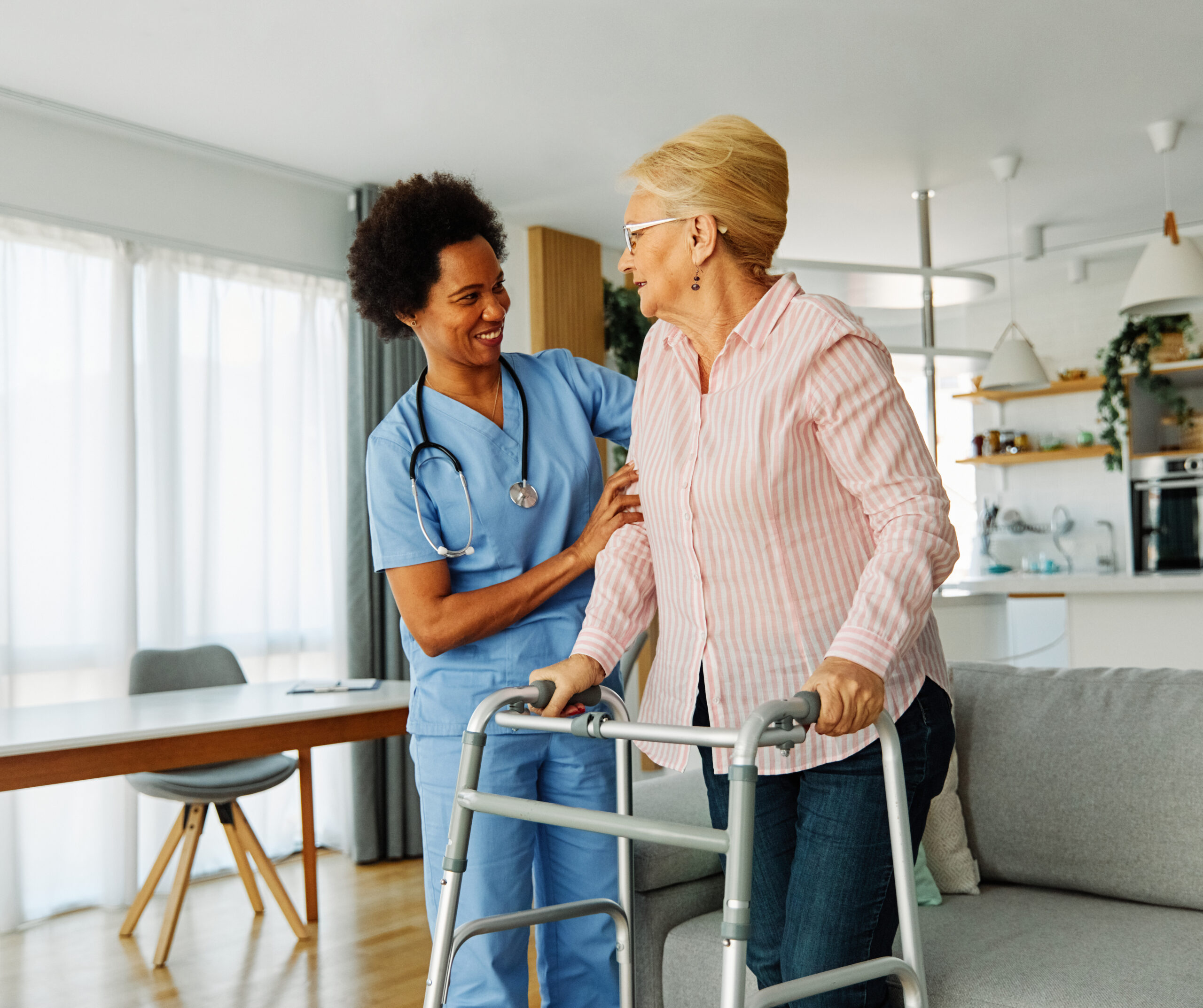
Trusted home care agencies are dedicated to focusing on moving veterans out of institutional nursing facilities and into comfortable, customized home care environments. This approach prioritizes independence, personal dignity, and tailored daily living support for those who have served our country. By shifting the focus to community-based settings, veterans can enjoy a higher quality of life surrounded by family and familiar comforts.
What Are the Primary Benefits of Specialized Home Care for Veterans?
Transitioning to home care allows veterans to maintain their independence in a familiar environment rather than adhering to rigid institutional schedules. It offers tailored daily living support that specifically addresses their unique personal needs and lifestyle preferences.
- Increased comfort in a personal, private residential setting
- Enhanced emotional wellbeing from staying close to family and friends
- Customized daily routines that empower the veteran’s personal autonomy
Living independently is important for veterans who want to maintain a high quality of life. For some, this simply means receiving help with tasks that have become more challenging to manage over time. Even when families have the best intentions, they may not have the time to provide the care their loved ones need and deserve. If your loved one needs help to live at home as independently as possible, reach out to Assisting Hands Home Care, a trusted provider of respite, 24-hour, and overnight home care Potomac families can depend on.
How Does the Transition Process Work for Veterans?
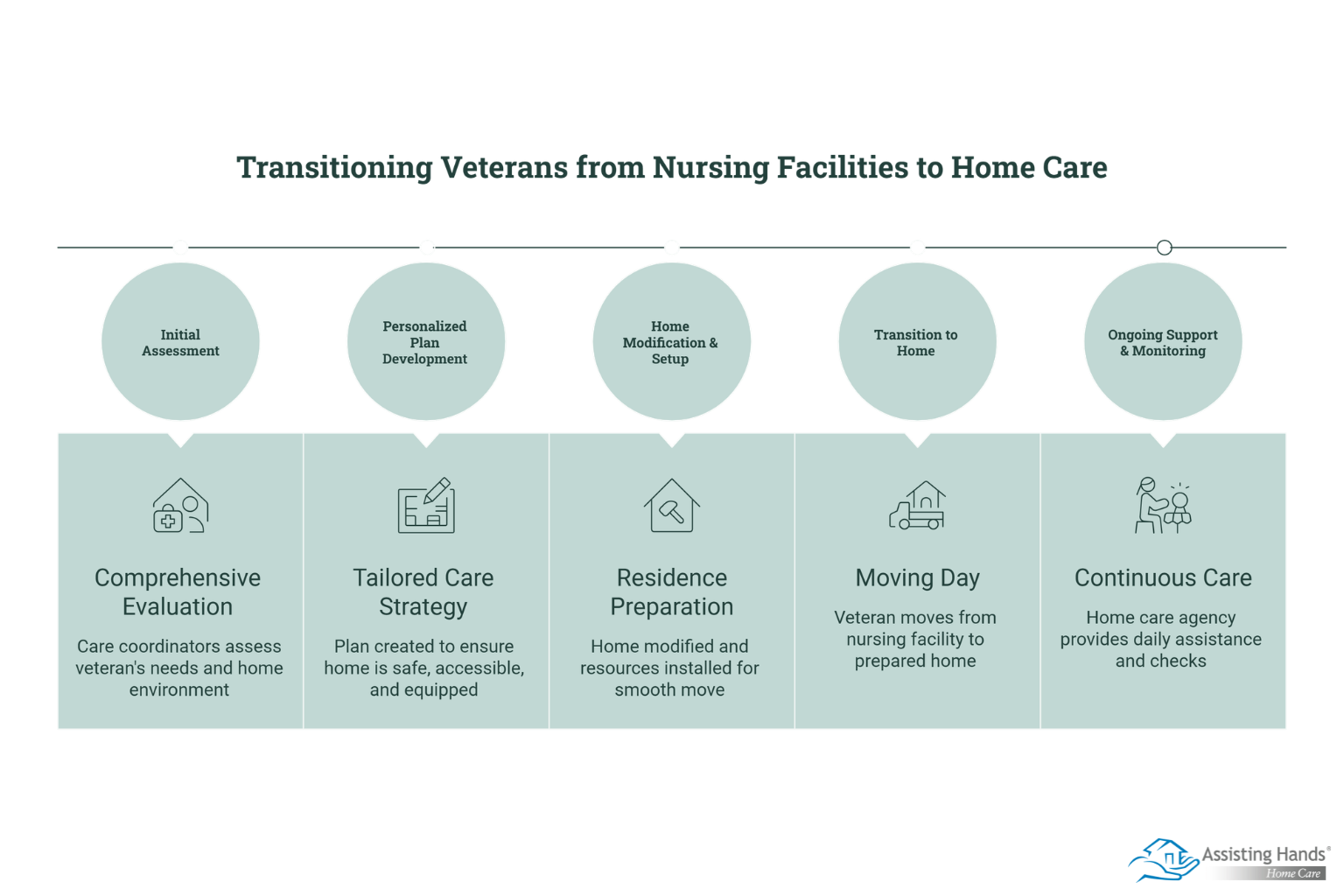
The transition process begins with a comprehensive assessment of the veteran’s daily living requirements and current home environment. Care coordinators then develop a personalized plan to ensure the residence is safe, accessible, and equipped with the necessary lifestyle resources for a smooth move.
Who Is Eligible for the Homeward Bound Strategy?
Eligibility generally depends on the veteran’s current placement in a nursing facility and the ability to be safely supported at home. Program coordinators evaluate each individual’s daily personal care needs, housing situation, and available family support network to determine if home-based living is a secure and viable option.
What Types of Support Services Are Provided at Home?
Veterans receive comprehensive assistance with activities of daily living to ensure they remain safe and comfortable. This support network is designed to replace the institutional environment of a facility with personalized one-on-one attention.
- Help with bathing, dressing, and daily personal hygiene
- Meal preparation and ongoing nutritional support
- Mobility assistance and continuous home safety checks
- Companionship, social interaction, and emotional support
Veterans’ families who need help caring for their loved ones can turn to Assisting Hands Home Care, a leading provider of Potomac home care. Services available in our customizable care plans include meal prep, mental and social stimulation, assistance with personal hygiene tasks, and much more.
The type of home care veterans in southwestern Maryland need can vary. Some need assistance a few hours a day, while others require more extensive Potomac 24-hour home care. At Assisting Hands Home Care, we tailor our care plans based on each client’s individual care needs, and the plans can be adjusted at any time. Assisting Hands Home Care will work with you to tailor a care plan that’s just right for your loved one’s needs. Call one of our friendly Care Specialists today to learn more about our exceptional home care services for veterans.
Frequently Asked Questions
How long does the transition process usually take?
+
The timeline varies based on the veteran’s specific needs and required home modifications, but it typically takes a few weeks to finalize the arrangements. Coordinators work diligently to ensure the move is safe, organized, and efficient.
Can family members participate in the care planning?
+
Yes, family involvement is strongly encouraged throughout the entire planning and transition phase. Their input ensures the care plan perfectly aligns with the veteran’s lifestyle, habits, and personal preferences.
Are home modifications included in the transition plan?
+
Care coordinators often arrange for necessary safety modifications, such as wheelchair ramps or bathroom grab bars, before the veteran moves. This ensures the home environment is fully accessible and secure for daily living.
What happens if a veteran’s care needs change over time?
+
The specialized home care plan is continuously monitored and updated as the veteran’s daily living requirements evolve. This flexibility guarantees he or she always receives the appropriate level of personal support.