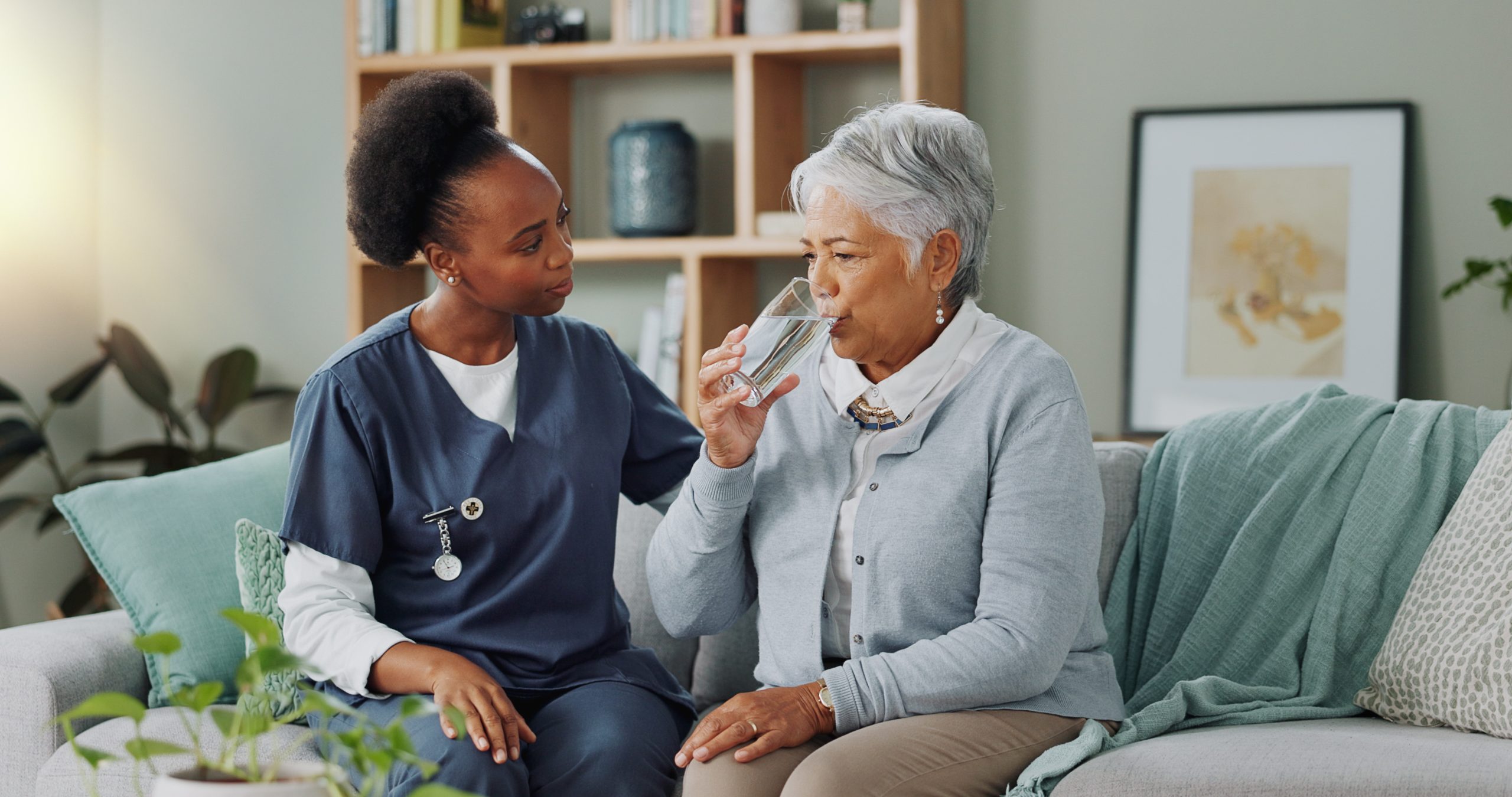
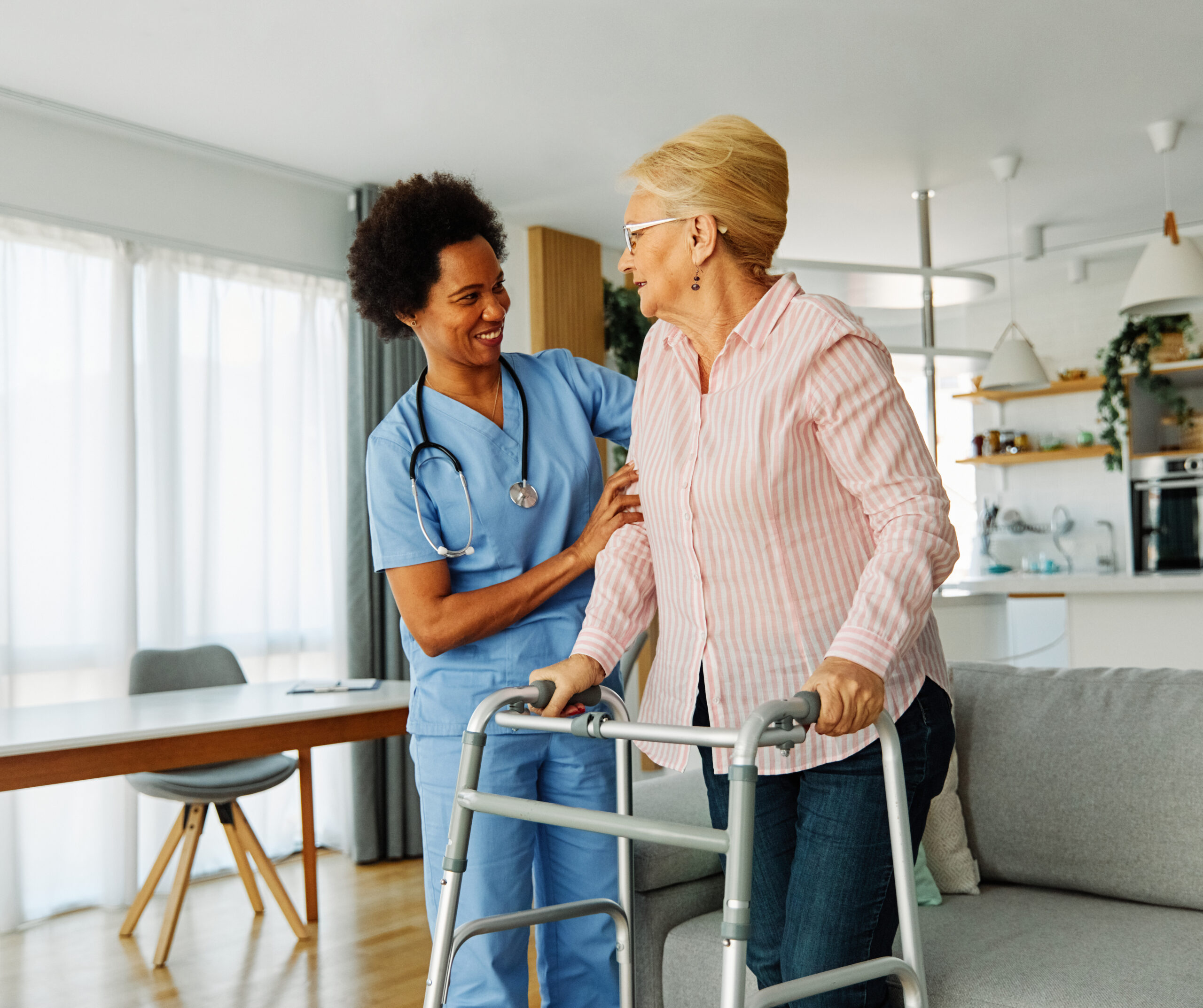
So, we get the convenience of aging in place. And certainly understand the economics of living at home. But are there any other benefits an older adult receives from aging-in-place?
The answer is YES! According to RetirementLiving.com, besides the economic advantage, there are four other benefits of aging in your own home.
5 Benefits of Aging in Place
If you’ve taken the time to consider where you will live as you get older and you’ve decided to stay at home, you are not alone. According to one study, almost 90 percent of seniors over age 65 want to live at home rather than moving to a nursing home or assisted living facility. Aging at home is always the preferable option but in some instances, it’s just not possible for medical or safety reasons.
Today, aging in place is more doable than it has been and more adults are considering it a real possibility. But what if you are not sure if you want to stay at home? Our list of five benefits of aging in place will give you, not only reasons to age in place but detailed information on what these reasons mean and how they affect you in the real world.
- Aging in Place Costs Less
- Aging in Place is More Comfortable
- Aging in Place Helps Slow the Advancement of Memory Loss
- Aging in Place Strengthens Your Social Network
- Aging in Place allows for Self-Determination