A personalized home care plan is built by assessing your senior loved one’s daily needs, health status, safety risks, and personal preferences, then translating those findings into a specific actionable schedule of support. This process typically involves gathering information, identifying priorities, selecting appropriate services, and reviewing the plan regularly to ensure it still fits.
Every household has different routines, health considerations, and comfort levels, which means no two home care plans should look identical. This guide walks through the key questions to ask at each stage, from initial assessment to ongoing action, so you can build a plan that genuinely fits.
What Should a Home Assessment Include?
A home assessment is the foundation of any personalized care plan. It identifies both the physical environment and your loved one’s daily functioning.
- Mobility and safety – Are there fall risks, such as loose rugs, poor lighting, or steep stairs?
- Daily living activities – Can your loved one bathe, dress, cook, and manage medications independently?
- Cognitive function – Are there memory lapses or confusion that affect daily decisions?
- Home layout – Does the space accommodate mobility aids like walkers or wheelchairs?
Documenting these details clearly creates a baseline for measuring progress and identifying urgent needs.
Aging in place can present a few unique challenges for older adults. Some only require part-time assistance with exercise or meal preparation, while others are living with serious illnesses. Whether you need respite from your caregiving duties or your aging loved one needs Potomac 24-hour home care, Assisting Hands Home Care can meet your family’s care needs. Our dedicated caregivers are available around the clock to provide transportation to doctor’s appointments, ensure seniors take their prescribed medications, and help with a variety of tasks in and outside the home.
How Do You Identify Priorities for a Care Plan?
Once the assessment is complete, priorities emerge naturally by comparing needs against available support.
- Rank needs by urgency (for example, medication organization often outweighs light housekeeping).
- Note which tasks your loved one wants help with versus tasks he or she prefers to do independently.
- Identify any needs that change throughout the day or week, such as morning routines requiring more assistance than evenings.
This step keeps the plan realistic and prevents unnecessary services that don’t add value.
Living independently is important for seniors who want to maintain a high quality of life. For some, this simply means receiving help with tasks that have become more challenging to manage over time. Even when families have the best intentions, they may not have the time to provide the care their elderly loved ones need and deserve. If your loved one needs help to age in place as independently as possible, reach out to Assisting Hands Home Care, a trusted provider of respite, 24-hour, and overnight home care Potomac seniors can depend on.
Which Types of Home Care Services Are Available?
Home care spans a wide range of support levels, and matching the right service to the right need keeps a plan efficient.
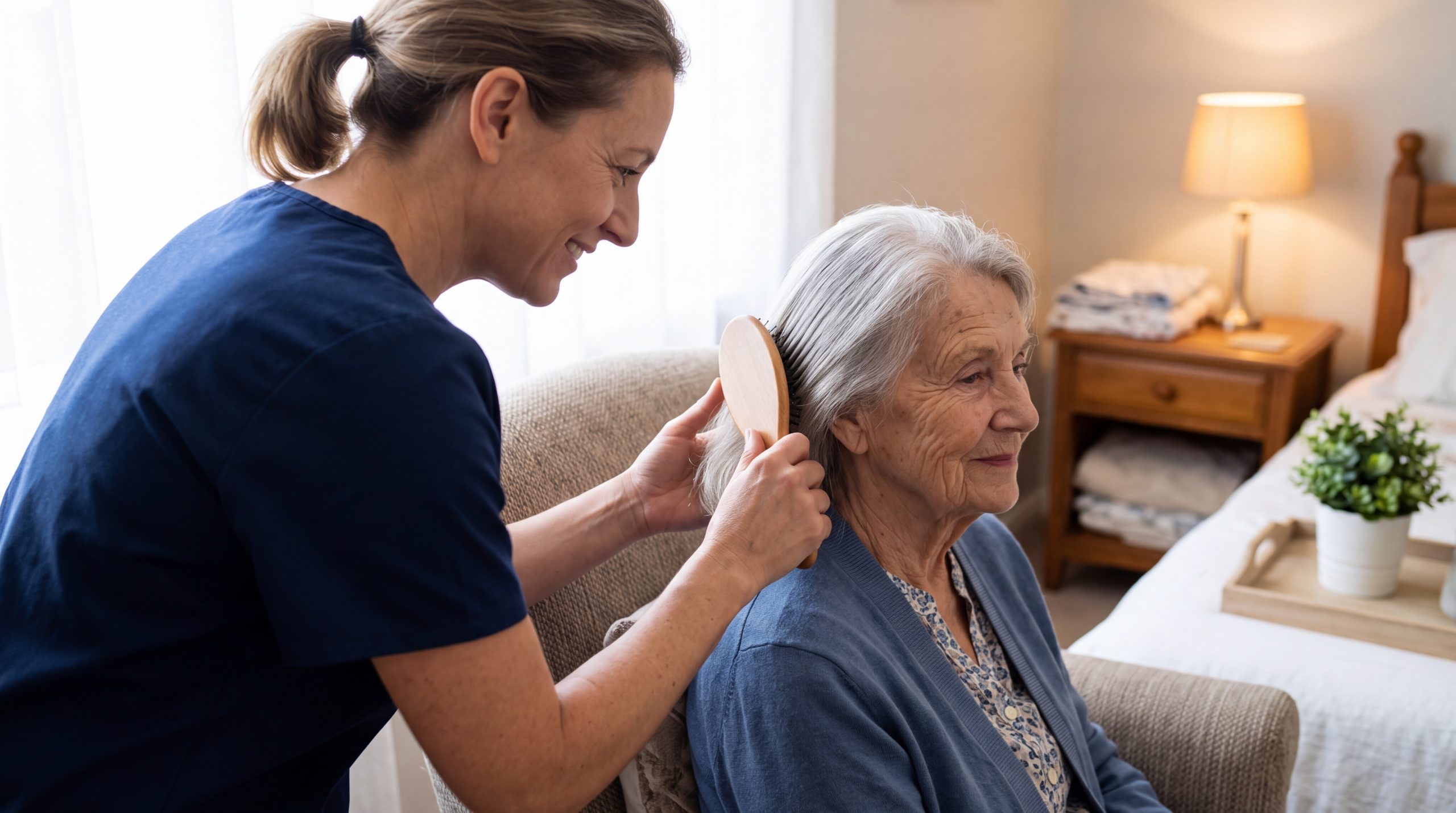
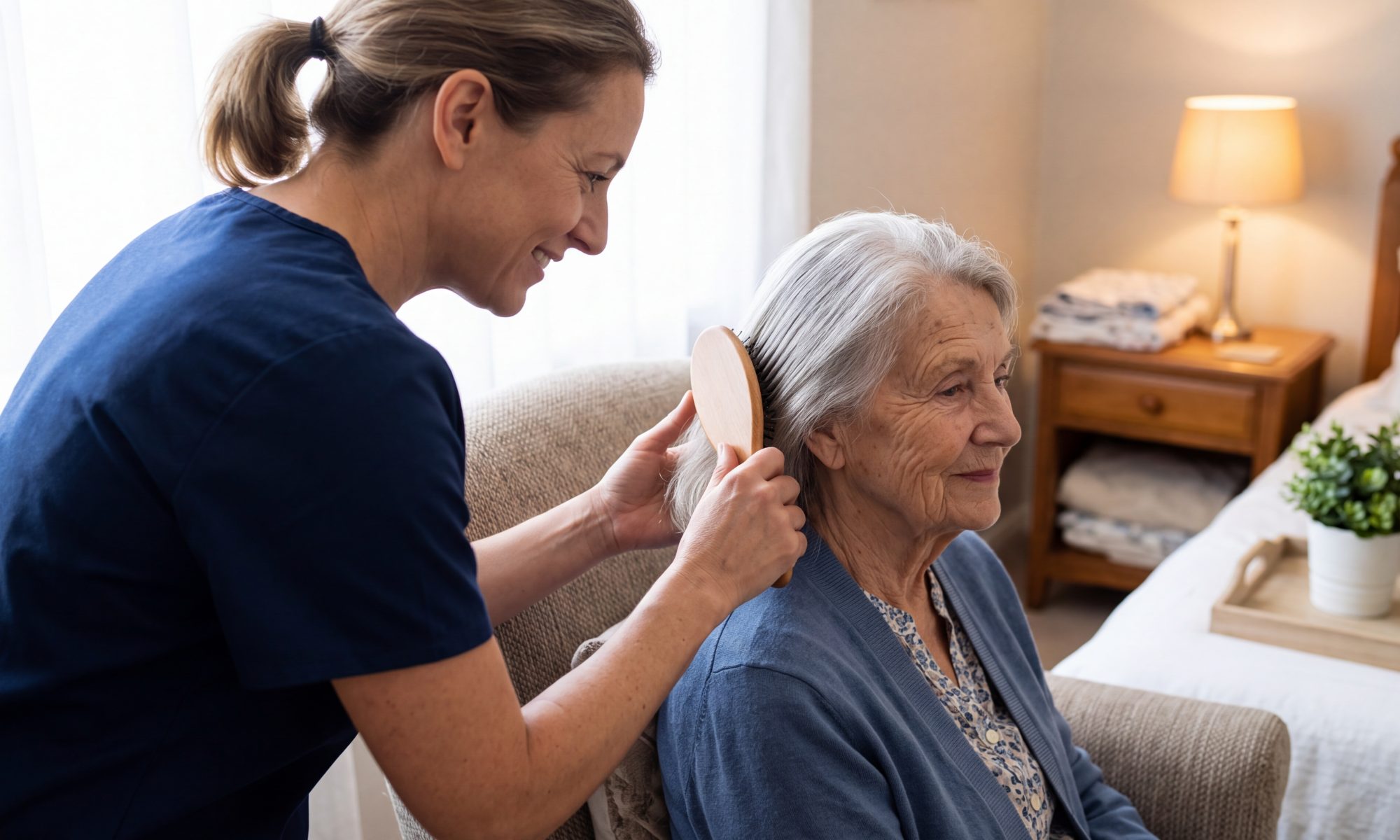
- Personal care support – Help with bathing, dressing, and grooming
- Companionship services – Social engagement, meal preparation, and light housekeeping
- Homemaker services – Cleaning, laundry, and errands
- Specialized support – Assistance tailored to specific mobility or cognitive needs
Choosing the right mix depends on the priorities identified during the assessment phase.
How Do You Turn an Assessment into an Action Plan?
Translating an assessment into action means converting observations into a structured written schedule.
- List specific tasks by day and time (for example, “morning: dressing assistance” or “evening: meal preparation”).
- Assign responsibility for each task, whether that’s a family member, caregiver, or your loved one.
- Include backup plans for missed visits or emergencies.
- Set clear communication channels between everyone involved in the care routine.
A written plan reduces confusion and ensures consistency even when multiple people are involved in caregiving.
How Often Should a Home Care Plan Be Reviewed?
Needs change over time, so a home care plan should never be treated as a one-time document.
- Review the plan every three to six months or sooner if a significant change occurs.
- Reassess after any fall, hospitalization, or noticeable decrease in daily functioning.
- Update the plan whenever your loved one’s preferences or living situation shifts.
Regular reviews keep the plan aligned with current reality rather than outdated assumptions.
The type of at-home care Potomac seniors need can vary. Some need assistance a few hours a day, while others require more extensive around-the-clock assistance. At Assisting Hands Home Care, we tailor our care plans based on each senior’s individual care needs, and the plans can be adjusted at any time. We are a trusted provider of respite and 24-hour care, and we also offer specialized Alzheimer’s, dementia, Parkinson’s, and stroke care for seniors. For compassionate, reliable in-home care, trust the experienced professionals from Assisting Hands Home Care. Reach out to one of our dedicated Care Specialists today to learn about the high quality of our in-home care services.
Frequently Asked Questions
What’s the first step in creating a home care plan?
+
The first step is conducting a thorough assessment of your loved one’s daily needs, safety risks, and personal preferences.
Who should be involved in building a home care plan?
+
Family members, the individual receiving care, and any caregivers involved in daily support should all contribute to the plan.
How long does it take to create a personalized care plan
+
Most assessments and initial plans can be completed within a few days, though ongoing adjustments may continue for weeks.
Can a home care plan change over time?
+
Yes. Home care plans should be reviewed and updated regularly to reflect changes in health, mobility, or personal circumstances.
What makes a home care plan “personalized”?
+
A personalized plan reflects your loved one’s specific routines, preferences, and priorities rather than following a generic template.