
Seniors often lose motivation when living alone because the lack of daily social interaction and structured routines leads to feelings of isolation and a diminished sense of purpose. Without someone to share daily activities with or a clear schedule to follow, simple tasks can quickly feel overwhelming and unnecessary. Understanding the root causes of this decrease is the first essential step toward helping older adults regain their energy and joy.
How Does Social Isolation Affect Daily Motivation?
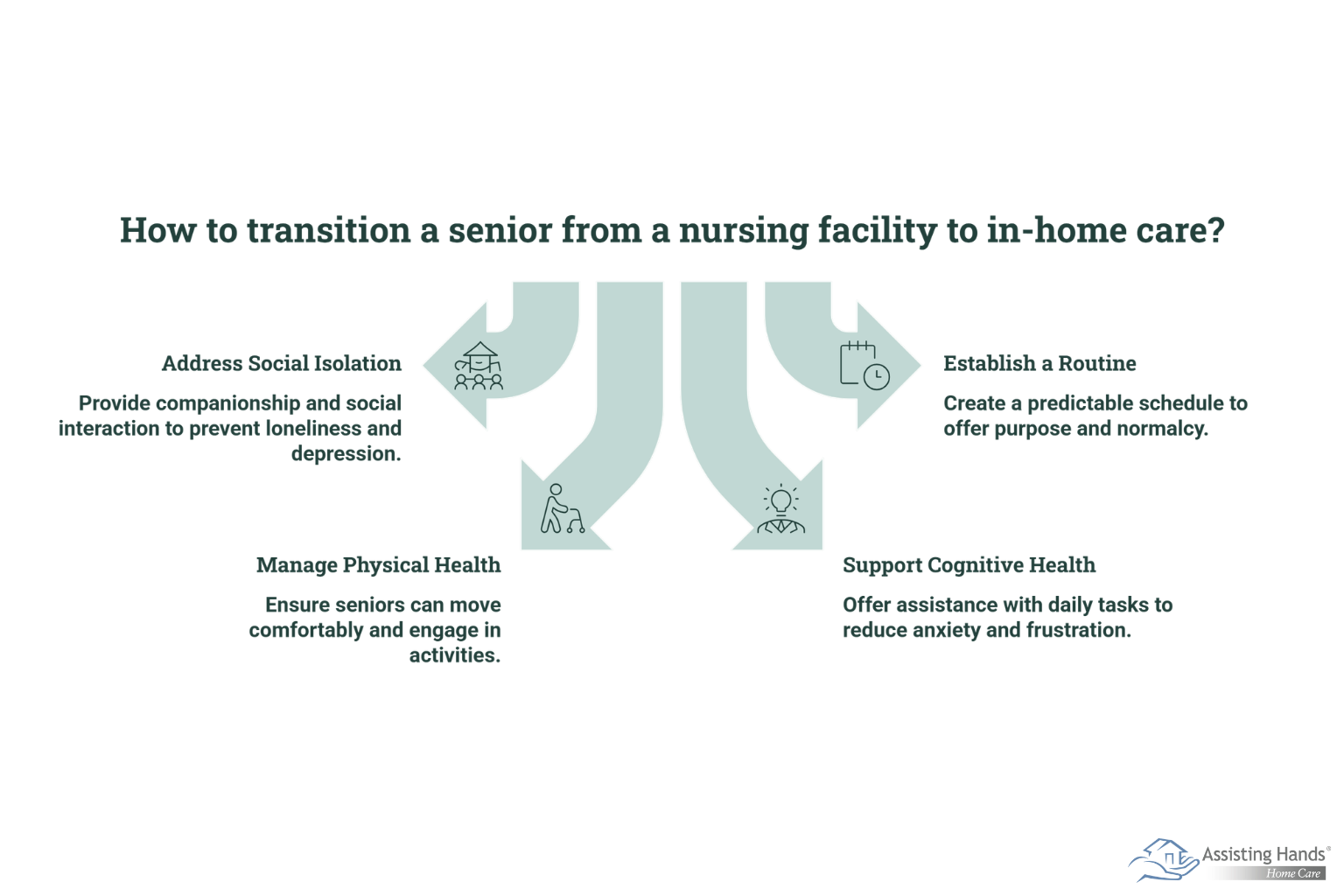
Social isolation strips away the meaningful connections that naturally encourage older adults to stay active.
- Without regular visits from family or friends, there’s less incentive to cook elaborate meals, keep a tidy house, or maintain personal grooming habits.
- Prolonged loneliness significantly increases the risk of clinical depression, which directly drains physical and mental energy.
Respite or overnight care can be a wonderful solution for Potomac families when their aging loved ones need companionship and socialization a few hours a week or just need minor assistance with daily household tasks. At Assisting Hands Home Care, we thrive on helping seniors maintain their independence while living in the comfort of home.
Why Is a Structured Routine Important for Older Adults?
A predictable daily schedule provides a crucial sense of purpose and normalcy for people of all ages.
- Living alone often disrupts lifelong habits, such as waking up at a specific time for work or family duties.
- Without a structured schedule, days easily blend together, making it difficult for seniors to find the drive to start new projects or even complete basic household chores.
What Role Does Physical Health Play in Decreased Drive?
Decreasing physical health creates immediate tangible barriers to staying motivated and active.
- Chronic pain and mobility issues make moving around the house exhausting, deterring seniors from engaging in their favorite hobbies.
- When tasks become physically painful, older adults are more likely to avoid them entirely, leading to a sedentary lifestyle that further decreases their overall stamina.
How Can Cognitive Changes Impact a Senior’s Willpower?
Cognitive decline, including mild memory loss or early-stage dementia, can make daily planning incredibly frustrating.
- Forgetting how to complete familiar tasks can lead to a loss of confidence and increased anxiety.
- To avoid making mistakes or feeling confused, older adults might simply stop trying to engage in complex activities, appearing unmotivated when they’re actually just overwhelmed.
Aging in place can present a few challenges for seniors living with dementia. However, with professional dementia care that offers Potomac families peace of mind, they can still live independently at home. Families can rely on Assisting Hands Home Care to provide their elderly loved ones with mental and social stimulation, timely medication reminders, assistance with meal prep, and much more. Our caregivers are available around the clock to help your loved one live a happier and healthier life.
If you have a senior loved one who needs help maintaining a high quality of life while aging in place, reach out to Assisting Hands Home Care, a leading provider of home care Potomac families can trust. Our caregivers help seniors focus on healthy lifestyle habits such as eating nutritious foods, exercising regularly, and maintaining strong social ties, and we offer mentally stimulating activities that can boost cognitive health and delay the onset of dementia. Assisting Hands Home Care will work with you to tailor a care plan that’s just right for your loved one’s needs. Call one of our friendly Care Specialists today to learn more about our customized care plans.
Frequently Asked Questions
What are the early signs of a loss of motivation in seniors?
+
Early warning signs include neglecting personal hygiene, skipping meals, and a sudden disinterest in hobbies they previously enjoyed. You might also notice the home becoming unusually cluttered or unkempt over a short time.
How can family members help a senior loved one regain motivation?
+
Relatives can help by scheduling regular visits, setting up easily achievable daily goals, and assisting with reliable transportation to social events. Providing consistent emotional support makes older adults feel valued and more eager to participate in daily life.
Can getting a pet help a senior living alone?
+
Yes, caring for a pet provides a clear daily routine and continuous affectionate companionship. The responsibility of feeding and walking an animal can significantly boost a senior’s sense of purpose and overall motivation.
When should you seek professional help for an unmotivated senior?
+
You should consult a doctor or therapist if the lack of motivation is accompanied by severe weight loss, expressions of hopelessness, or an inability to manage basic medications. A medical professional can carefully rule out underlying health conditions or prescribe targeted treatments for depression.