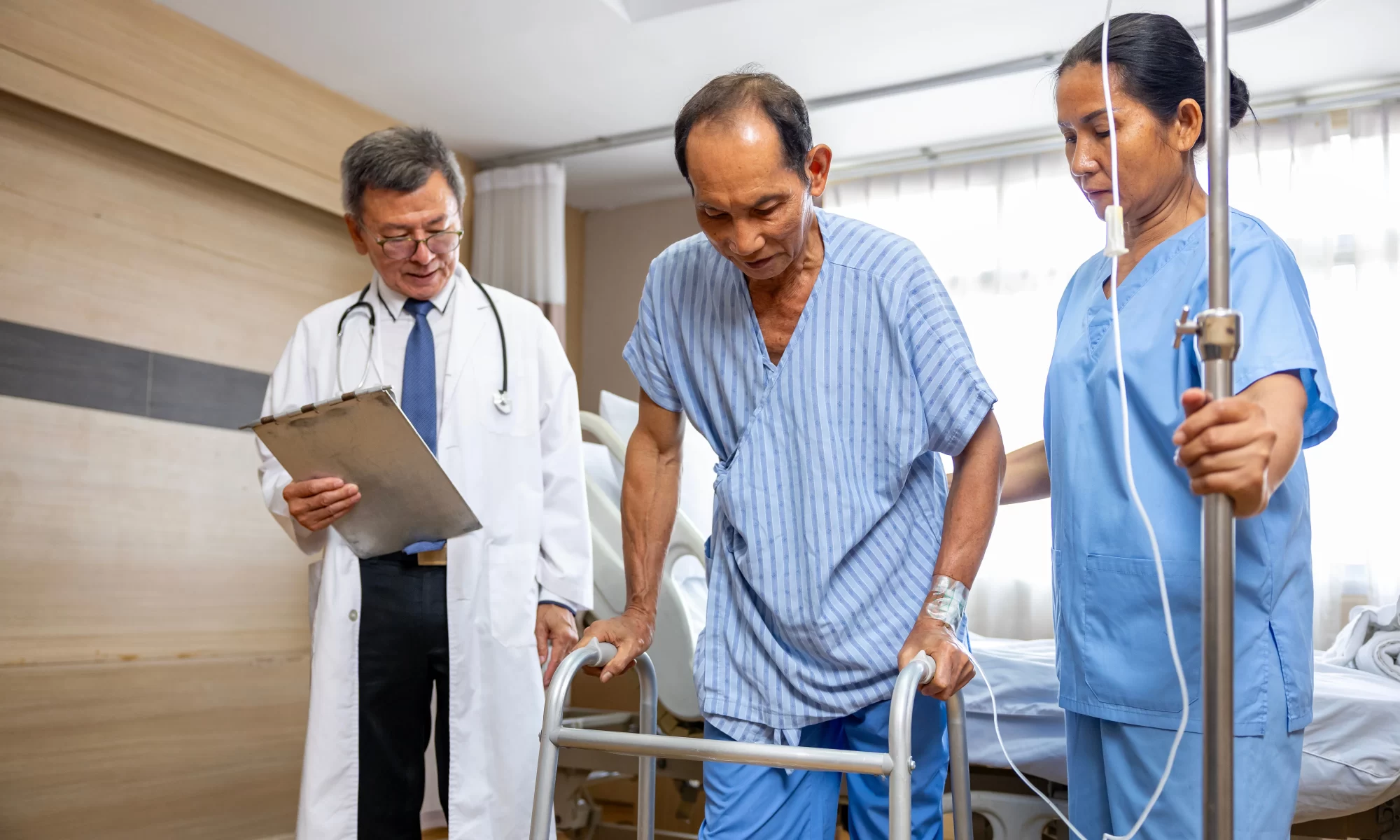
Recovering from surgery is a critical phase that requires time, patience, and proper support. Once a senior leaves the hospital, the responsibility of healing shifts to the home environment. Many families look for home care after surgery because professional assistance reduces complications and helps their aging loved ones recover safely and comfortably at home.
The type of care needed after surgery depends on the procedure, your loved one’s age, and overall health. From medical supervision to daily living assistance, home-based recovery services are designed to bridge the gap between hospital discharge and full independence.
Understanding Post-Hospital Care at Home
The first few days after discharge are often the most challenging. Our loved one may feel weak, experience pain, or experience challenges with mobility. This is where home help after an operation becomes essential. Professional caregivers ensure recovery instructions are followed properly and that seniors are not left alone during vulnerable moments.
Many families also seek home help after surgery to reduce stress and avoid unnecessary hospital readmissions. This level of support is especially important in post-stroke care for a senior loved one, where individuals may face speech difficulties, limited movement, or a higher risk of falls and complications during early recovery.
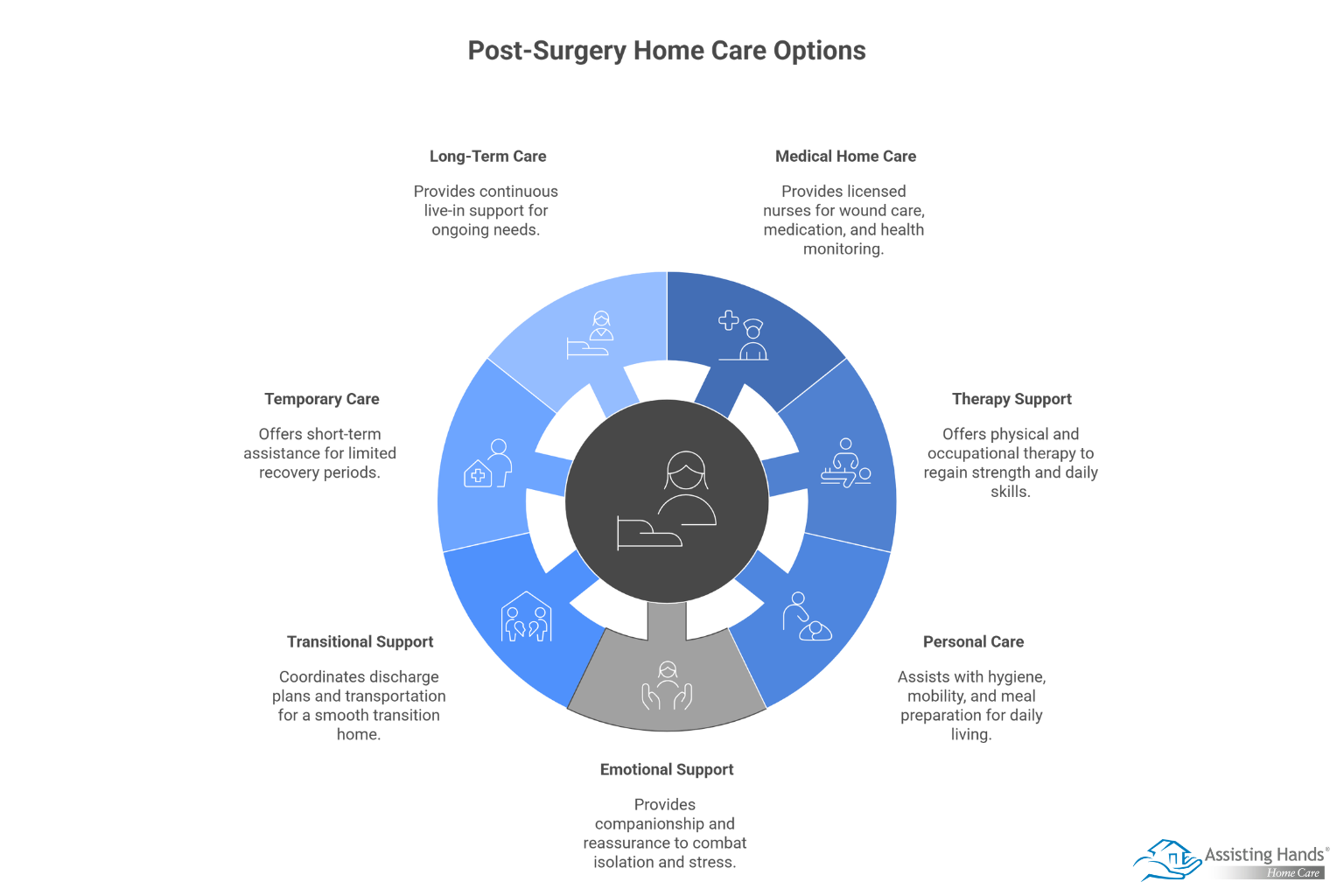
Medical Home Care Services after Surgery
Some seniors require medical attention beyond the hospital stay. These services are often part of post-surgery home care and are provided by licensed nurses or therapists.
Wound Care and Recovery Monitoring
Surgical wounds must be cleaned and dressed correctly to prevent infection. Nurses provide home care services after surgery by monitoring healing progress and identifying early warning signs.
Medication Assistance
After surgery, managing medications can be confusing. With post-surgery in-home care, professionals help seniors stay on schedule, administer injections if required, and monitor side effects.
Health Monitoring and Follow-Ups
Vital signs, pain levels, and overall recovery progress are tracked closely in after-surgery medical home care, ensuring any complications are addressed early.
Therapy Support for In-Home Recovery
Many surgeries impact mobility and daily function. Therapy plays a key role in in-home care after surgery.
Physical Therapy at Home
Physical therapy helps seniors regain strength and balance. It’s a common part of post-surgical home care, especially after orthopedic procedures.
Occupational Therapy
Occupational therapy helps seniors relearn daily tasks like dressing or bathing. This therapy supports independence through home health care after surgery.
Personal Care and Daily Assistance
Not all recovery needs are medical. Daily living support is a major part of post-hospital care.
Hygiene and Grooming
Bathing and dressing may be difficult after surgery. Caregivers can provide in home post-surgery care to maintain hygiene and reduce fall risks.
Mobility and Transfers
Walking, standing, or getting in and out of bed often requires support. This assistance is a core part of post-surgery home care.
Nutrition and Meals
Proper nutrition supports healing. Caregivers can manage meal preparation and hydration through home care after surgery.
Emotional Support and Companionship
Recovery can feel isolating, especially for those living alone. Emotional reassurance and companionship are essential parts of post-op home care, helping seniors stay motivated and mentally strong.
Post-Hospital Care and Transitional Support
The transition from hospital to home can be overwhelming. Structured post-hospital care at home ensures continuity of treatment.
Discharge Coordination
Care plans, follow-ups, and instructions are organized as part of post-hospital home care.
Transportation and Errands
Caregivers can assist with doctor visits, prescription pickups, and shopping. These services fall under post-operative home care.
Temporary and Long-Term Home Care Options
Different recovery timelines require different care plans.
Short-Term Recovery Support
Seniors who need help for a limited period benefit from temporary home care after surgery, which focuses on safe healing without long-term commitment.
Family Relief and Breaks
When family caregivers need rest, respite care allows professionals to step in while recovery continues uninterrupted.
Full-Time Assistance
Seniors who require continuous help may choose live-in care, where a caregiver stays in the home to provide ongoing support.
Caregiver Support after Surgery
Many families hire a caregiver after surgery to manage daily routines, medication reminders, and emotional support.
Older adults often need specialized help, which is why post-surgery home help for the elderly focuses on safety, comfort, and fall prevention.
Some families also rely on post-surgery caregivers for extended recovery periods.
Post-Hospital and Postoperative Care Services
Recovery continues well after discharge. Services such as postoperative home care are common among families seeking immediate help.
Seniors often benefit from post-surgery recovery care at home, where professional support is available without leaving a familiar environment.
In-Home Assistance for Daily Recovery Needs
As healing progresses, seniors may still require in-home help after surgery for basic tasks.
This type of after surgery care assistance helps seniors regain confidence and independence gradually.
Ongoing Home Care after Hospital Discharge
Some seniors continue services beyond the initial recovery. Post-hospital home care supports long-term healing and prevents setbacks.
Families also rely on post-hospital home care to ensure consistency in treatment plans.
Finding the Right Provider Near You
Many families search online for “post-surgery home care near me” when planning discharge. Choosing the right provider ensures reliable support and peace of mind.
Similarly, people look for “post-op care near me” to access timely services during recovery.
Recovering at home allows seniors to heal in comfort while receiving professional support. With structured post-surgery home care services and proper planning, families can ensure safe and effective recovery.
From after-hospital care to ongoing assistance, personalized recovery support helps seniors heal faster, avoid complications, and return to daily life with confidence.