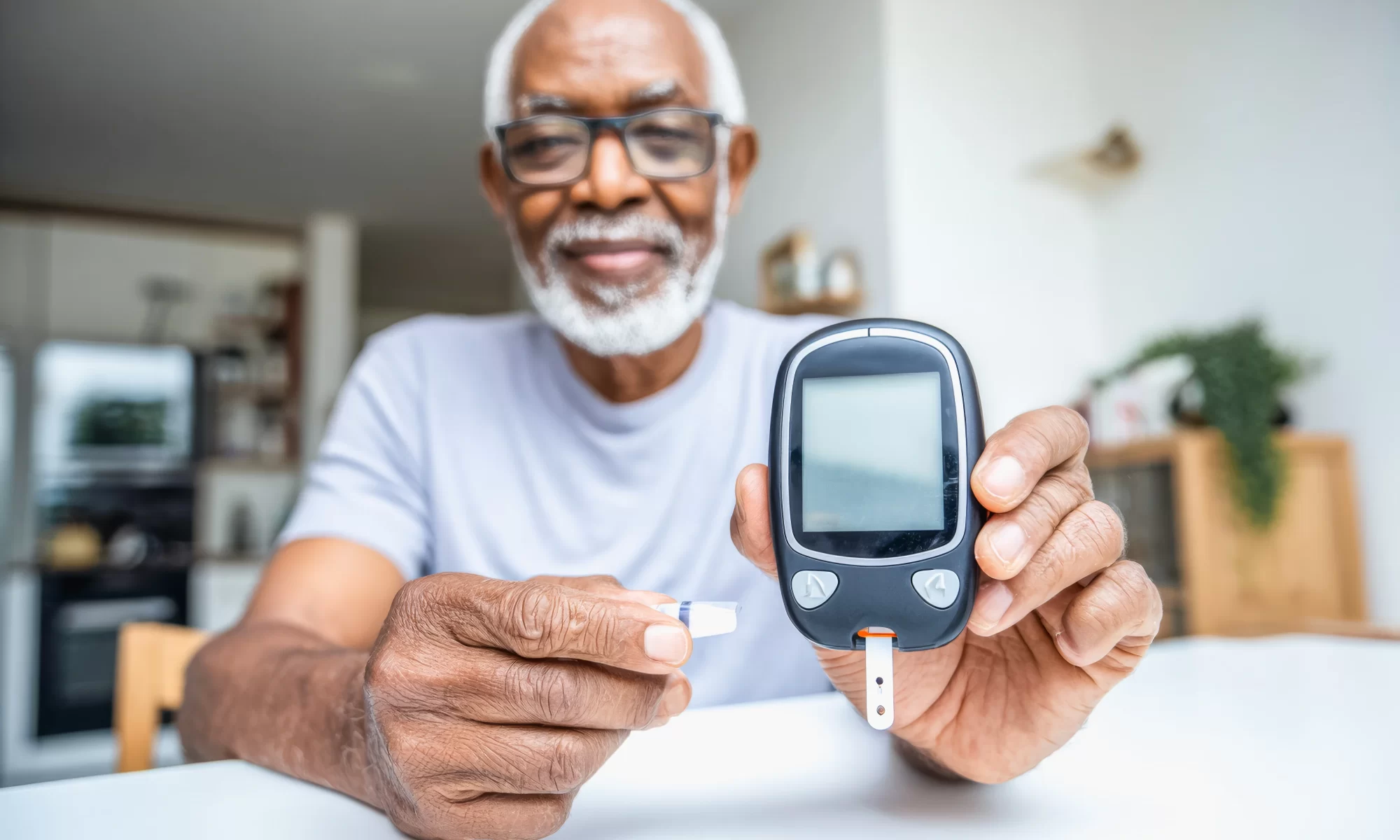
Diabetes Mellitus is a chronic condition that affects how the body processes blood sugar (glucose). Glucose is essential for energy, but in diabetes, either the body cannot produce enough insulin or cannot use it properly. Understanding this disease is vital for seniors, caregivers, and families to manage health effectively.
What Is Diabetes Mellitus?
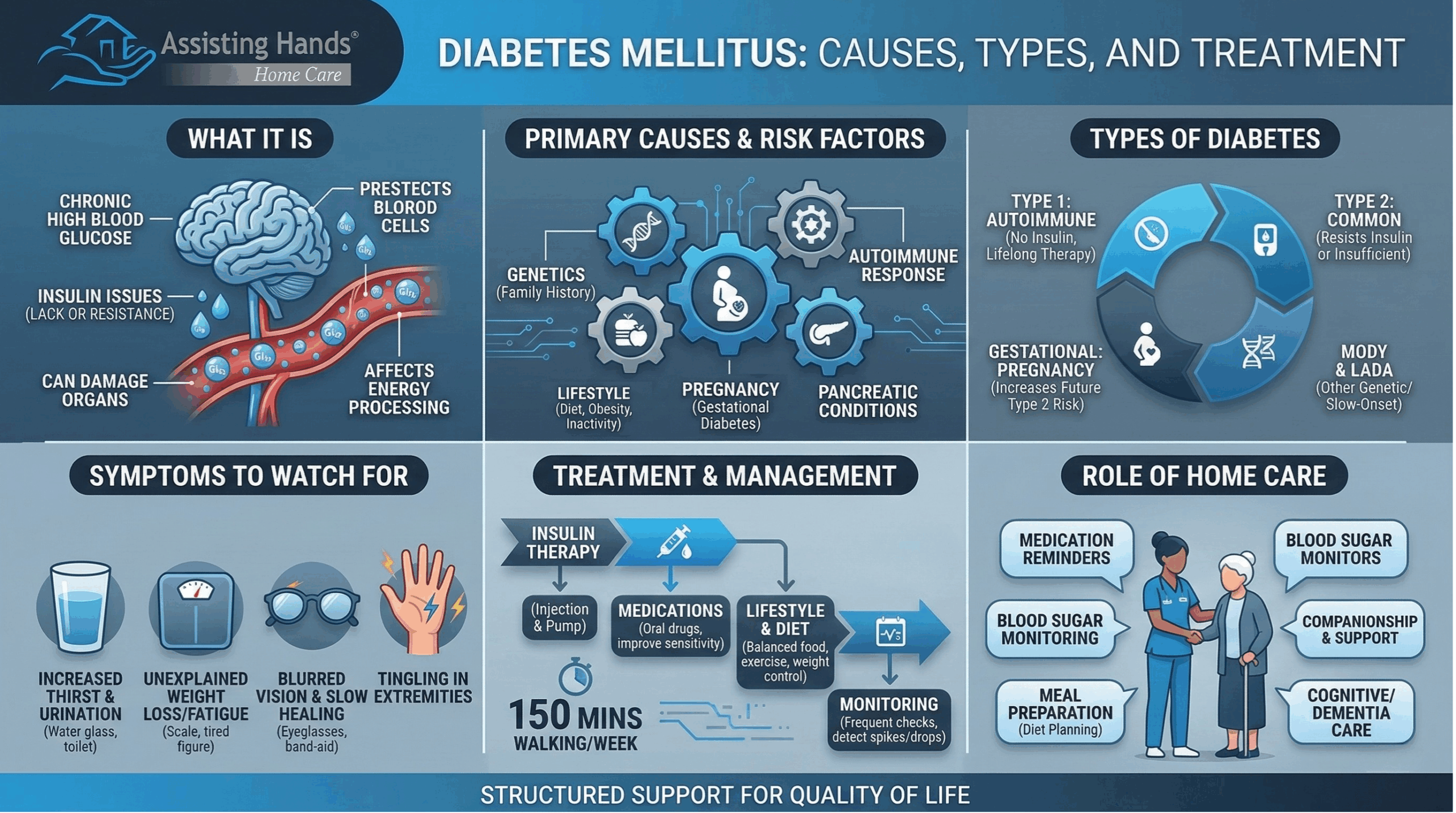
Many people ask the question, “What is diabetes mellitus?” Simply put, it’s a condition where blood sugar levels remain high over time. High glucose levels can damage organs and tissues, leading to severe complications such as heart disease, kidney failure, nerve damage, and vision problems.
Families caring for a loved one with diabetes often benefit from home care, as professional support ensures proper medication, diet, and monitoring during daily life.
Causes and Risk Factors of Diabetes
Diabetes disease can develop due to multiple factors:
- Genetic factors – Family history increases risk, particularly for type 2 diabetes.
- Autoimmune responses – Type 1 diabetes is an autoimmune condition where the body attacks insulin-producing cells.
- Lifestyle factors – A poor diet, obesity, and physical inactivity increase the risk of type 2 diabetes.
- Pregnancy – Some women develop gestational diabetes during pregnancy, which can increase the future risk of type 2 diabetes.
- Pancreatic conditions – Damage or removal of the pancreas due to illness or injury can lead to diabetes.
Recognizing risk factors early allows families and caregivers to implement preventive measures and proper personal care routines at home.
Types of Diabetes
People often search for various types of diabetes to understand the differences between each form:
- Type 1 diabetes – This is an autoimmune condition where the body cannot produce insulin. Seniors require lifelong insulin therapy.
- Type 2 diabetes – This is the most common type. The body either resists insulin or produces insufficient insulin. Lifestyle changes, medications, and sometimes insulin injections can help seniors manage this type.
- Gestational Diabetes – This occurs during pregnancy and usually resolves after birth. However, it increases the likelihood of developing type 2 diabetes later in life.
- Other Types – MODY (genetic diabetes) and LADA (slow-onset type 1) require careful monitoring.
Recognizing Diabetes Symptoms
Early detection is key. Families should watch for diabetes symptoms, which may include:
- Increased thirst and frequent urination
- Unexplained weight loss or fatigue
- Blurred vision and slow-healing sores
- Tingling or numbness in hands or feet
Understanding signs of diabetes helps caregivers provide timely intervention and prevent complications. For seniors, combining dementia care with diabetes monitoring can be essential since cognitive decline may affect medication adherence and diet management.
Diagnosis of Diabetes
Doctors use blood tests to diagnose diabetes. Common tests include fasting blood sugar, HbA1c, and glucose tolerance tests. If your loved one exhibits diabetes symptoms or signs of diabetes, prompt medical evaluation is necessary.
Treatment and Management
Diabetes management focuses on controlling blood sugar levels to prevent complications. Key strategies include:
Insulin Therapy
Essential for Type 1 diabetes and sometimes required for type 2. Seniors may use injections or insulin pumps under medical guidance.
Medications
Type 2 diabetes can often be managed with oral drugs that improve insulin sensitivity or reduce sugar production in the liver.
Lifestyle and Diet
- Balanced diet with controlled carbohydrates
- Regular exercise (like 150 minutes of walking per week)
- Weight management
Monitoring
Frequent blood sugar checks help doctors detect spikes or drops. Families often rely on home care support to monitor levels accurately, especially for elderly loved ones or those with mobility challenges.
Complications and Long-Term Care
If uncontrolled, diabetes can cause severe health issues, including heart disease, kidney damage, nerve problems, and vision loss. Seniors with cognitive decline may need personal care support for daily tasks, medication reminders, and dietary compliance. Integrating dementia care ensures those with memory challenges don’t miss insulin doses or meals.
The Role of Home Care in Diabetes
Professional home care can make a significant difference for seniors managing diabetes. Services may include:
- Medication reminders
- Blood sugar monitoring
- Meal preparation and diet planning
- Mobility assistance
- Emotional support and companionship
For elderly individuals with diabetes, combining dementia care with home care ensures safety, adherence to treatment, and overall wellbeing. Families who have used post-stroke or post-surgery home care services often find it easy to integrate diabetes support into their existing care routines.
When to Seek Help
Families should contact healthcare providers immediately if their loved one shows severe diabetes symptoms, including:
- Persistent high blood sugar
- Extreme fatigue or confusion
- Severe dehydration or vomiting
Early intervention can prevent hospitalization and reduce long-term risks. For those who require continuous monitoring, 24-hour care can provide around-the-clock supervision and timely medical assistance.
Prevention Tips
Even after diagnosis, lifestyle modifications are crucial:
- Healthy diet rich in vegetables, fruits, and whole grains
- Regular physical activity
- Avoiding smoking and limiting alcohol
- Routine doctor checkups and lab monitoring
Combining these strategies with home care and personal care ensures a safe, healthy environment for managing diabetes daily.
Understanding diabetes mellitus, diabetes symptoms, and types of diabetes helps seniors take control of their health. With structured home care, personal care, and dementia care for those at risk, families can manage blood sugar effectively, prevent complications, and maintain their loved one’s quality of life.