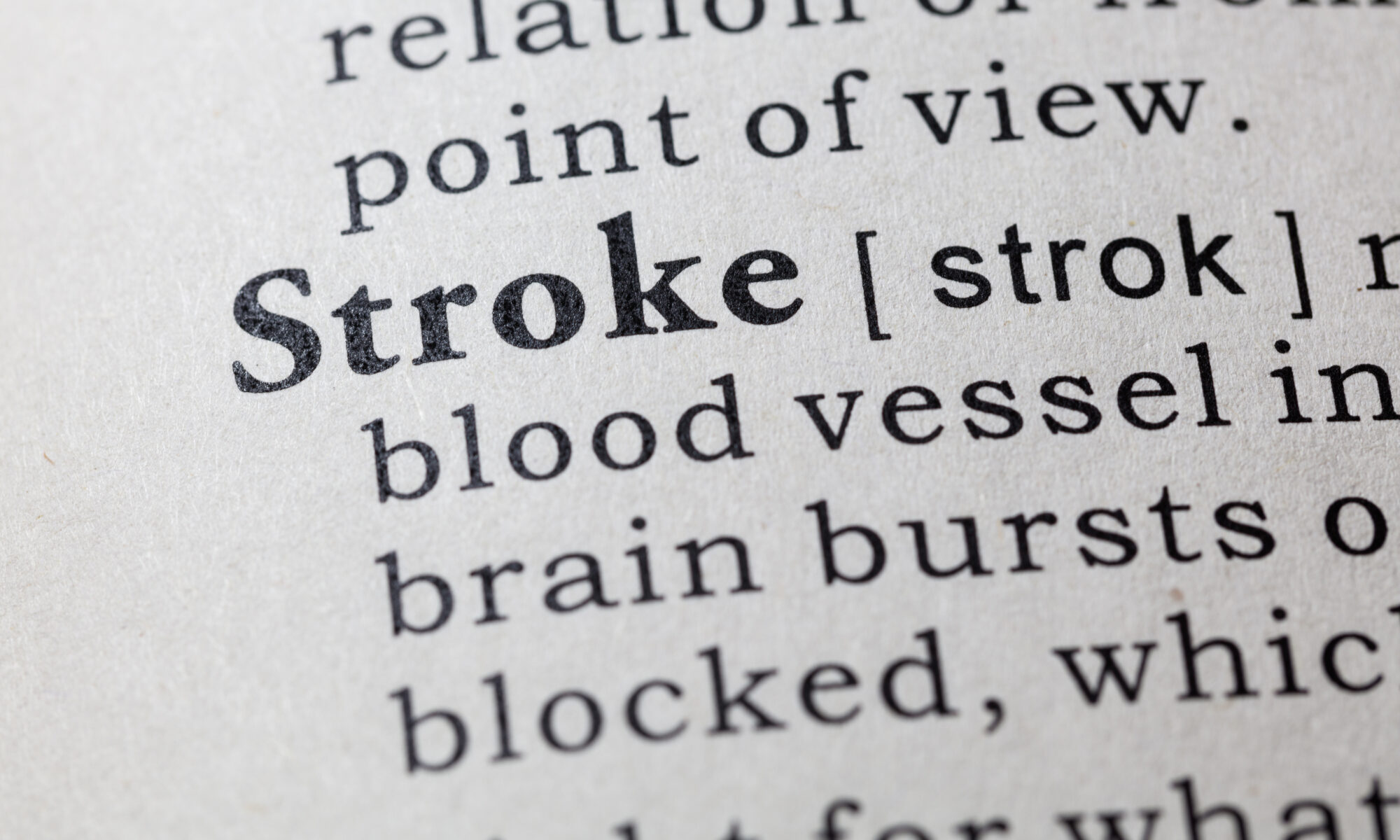
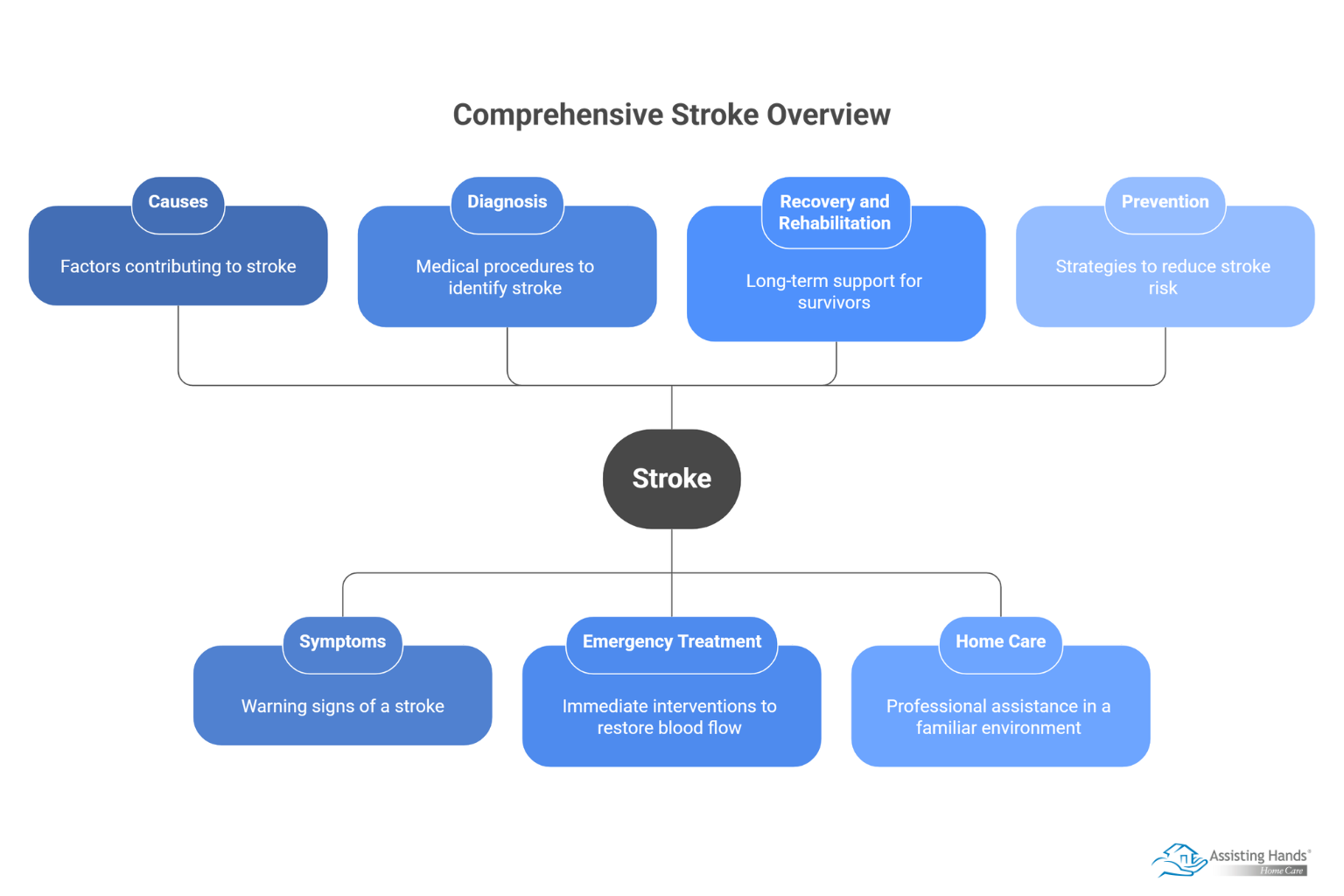
A stroke is a serious medical emergency that happens when blood flow to the brain is suddenly interrupted or when a blood vessel in the brain bursts. Because the brain controls movement, speech, memory, and breathing, even a short interruption in blood supply can cause long-term damage. This condition is also known as a brain stroke and can affect people of all ages, though older adults are at higher risk.
Understanding what a stroke is can save lives. Knowing the causes, warning signs, and treatment options helps families act quickly and plan proper recovery support.
Understanding Stroke Disease
A stroke disease occurs when brain cells are deprived of oxygen and nutrients. Without oxygen, brain cells begin to die within minutes. The damage caused by a stroke can be mild, severe, or even fatal depending on how fast treatment is given.
In medical terms, an ischemic stroke is often referred to as cerebral infarction, meaning brain tissue damage caused by blocked blood flow.
Types of Stroke
Not all strokes are the same. Doctors classify strokes into different types based on how blood flow is affected.
Ischemic Stroke
This is the most common type of stroke. It happens when a blood clot blocks an artery supplying the brain. Many people ask about what causes a stroke, and in most cases, blocked arteries due to cholesterol buildup or clots are responsible.
Hemorrhagic Stroke
This occurs when a blood vessel bursts and causes bleeding in the brain. High blood pressure and aneurysms are common triggers.
Transient Ischemic Attack (TIA)
Often called a mini-stroke, a TIA happens when blood flow is temporarily blocked. Even though symptoms go away, it’s a serious warning sign of a future stroke.
Stroke Symptoms You Should Never Ignore
Recognizing stroke symptoms early is critical. Doctors recommend remembering FAST:
- Face – One side droops
- Arms – Weakness or inability to raise one arm
- Speech – Slurred or confused speech
- Time – Call emergency services immediately
Other signs of a stroke may include sudden confusion, vision problems, dizziness, severe headache, numbness on one side of the body, or trouble walking.
What Causes a Stroke?
People often search for what causes strokes because many risk factors are preventable. Common stroke causes include:
- High blood pressure
- Heart disease
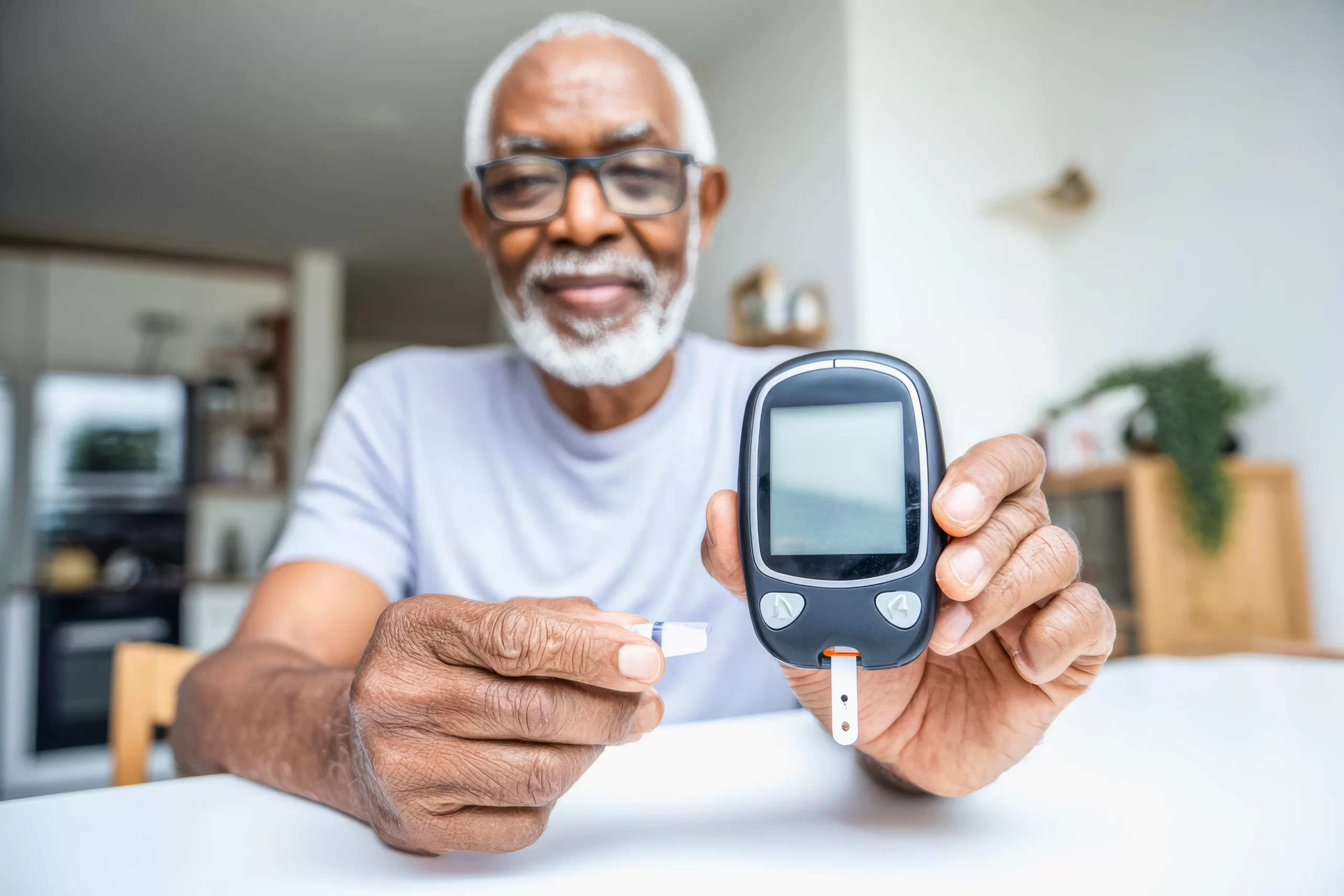
- Diabetes
- Smoking
- High cholesterol
- Obesity and physical inactivity
When asked what causes a stroke, doctors often point to lifestyle habits combined with underlying health conditions.
Can a Stroke Be Fatal?
Yes, a stroke can kill you if not treated quickly. Delayed care can lead to brain swelling, severe disability, or death. Even survivors may face long-term physical and cognitive challenges, which is why rapid treatment and proper recovery planning are essential.
Diagnosis and Emergency Treatment
When someone arrives at the hospital with suspected stroke symptoms, doctors perform brain imaging and blood tests immediately.
Emergency Treatment for Ischemic Stroke
Clot-busting medications like TPA are used to restore blood flow if given within a limited time window. In some cases, doctors remove the clot surgically.
Emergency Treatment for Hemorrhagic Stroke
Treatment focuses on stopping the bleeding and reducing pressure in the brain. Surgery may be required in severe cases.
Stroke Recovery and Rehabilitation
Treatment doesn’t end after the hospital stay. Recovery is often a long process that includes physical, emotional, and cognitive healing.
Rehabilitation may involve:
- Physical therapy to boost movement
- Occupational therapy to relearn daily activities
- Speech therapy for communication and swallowing problems
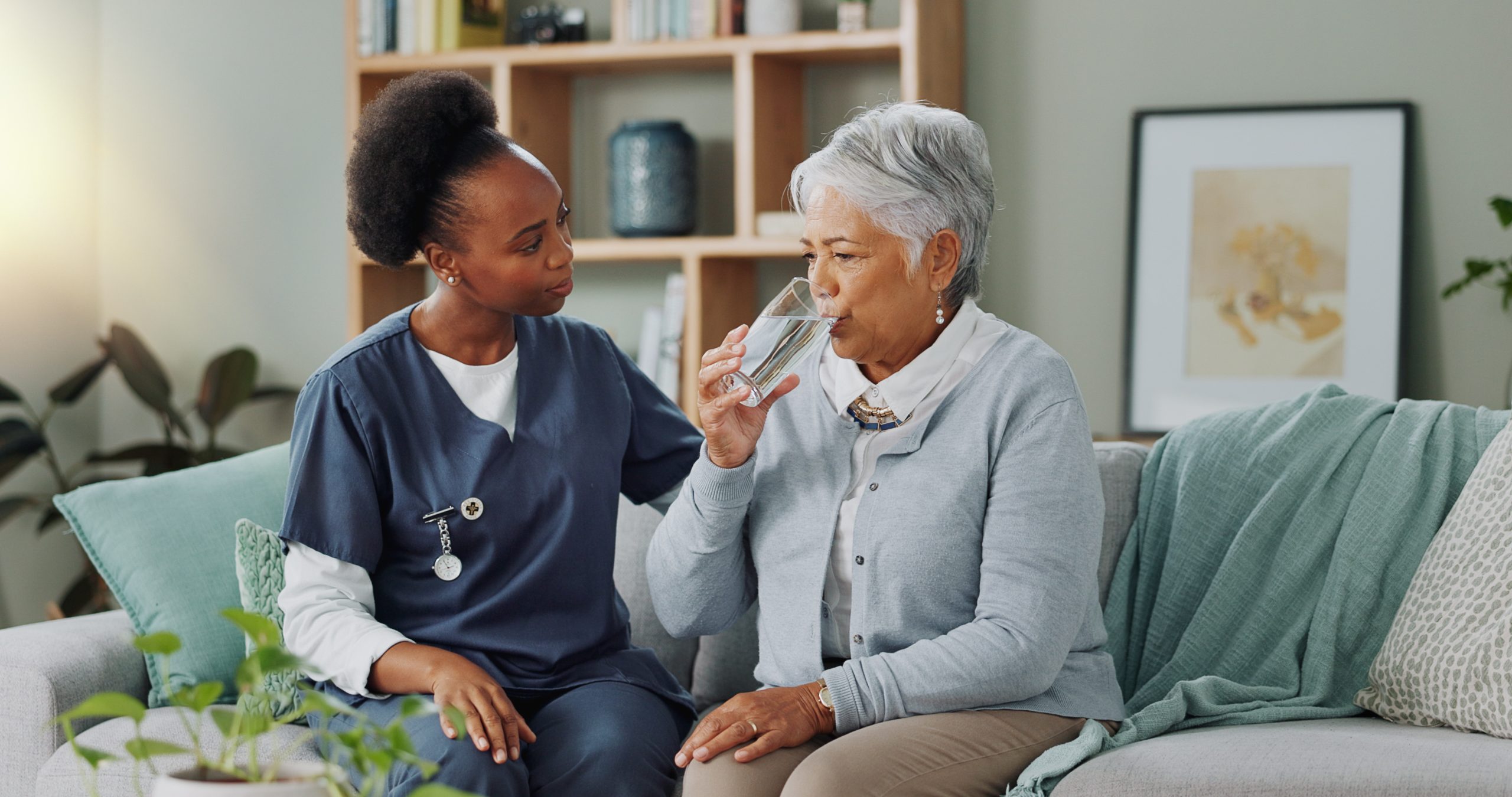
This recovery phase is where home care plays a vital role by allowing stroke survivors to heal in a familiar environment with professional support.
Why Post-Stroke Care at Home Is Important
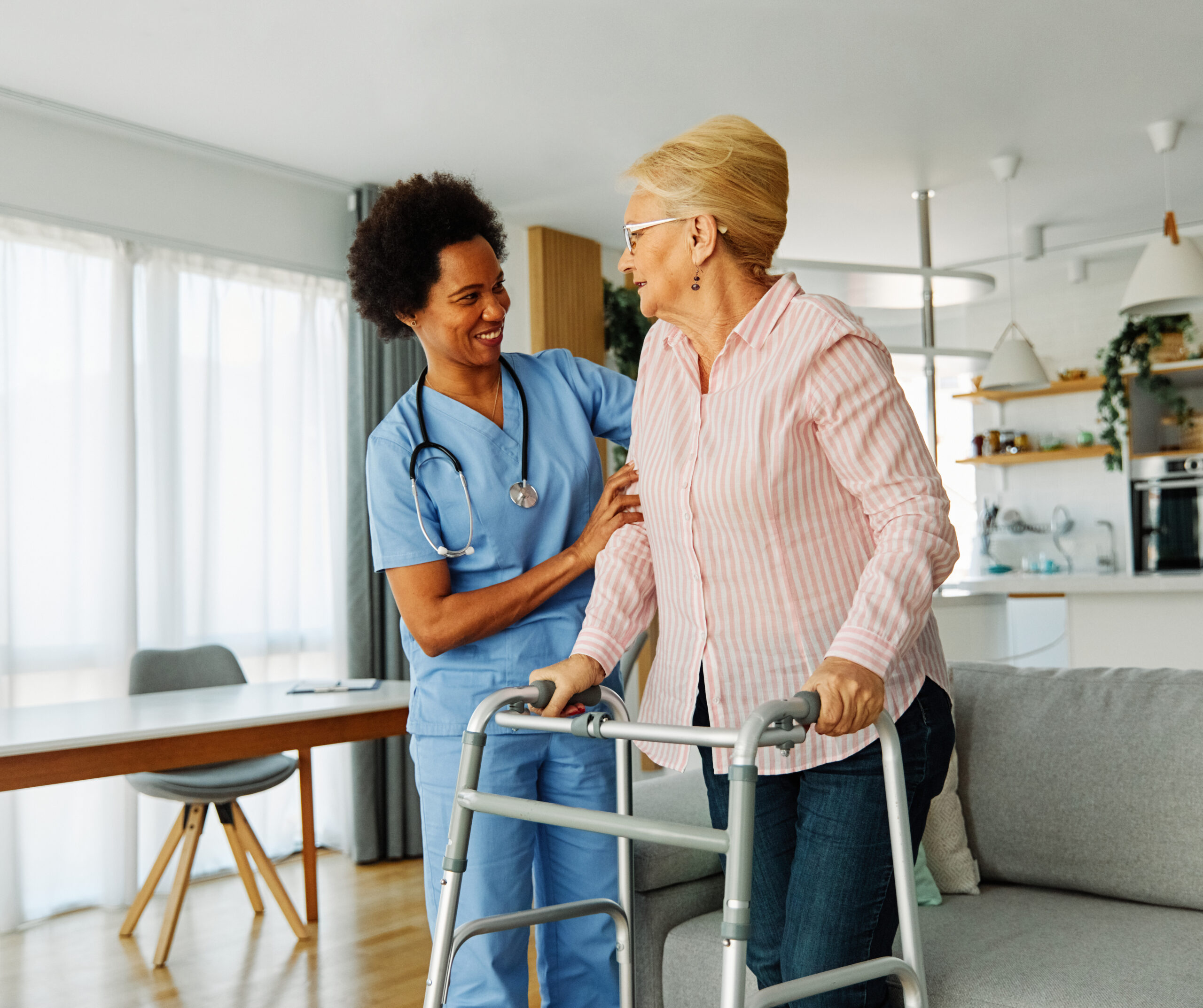
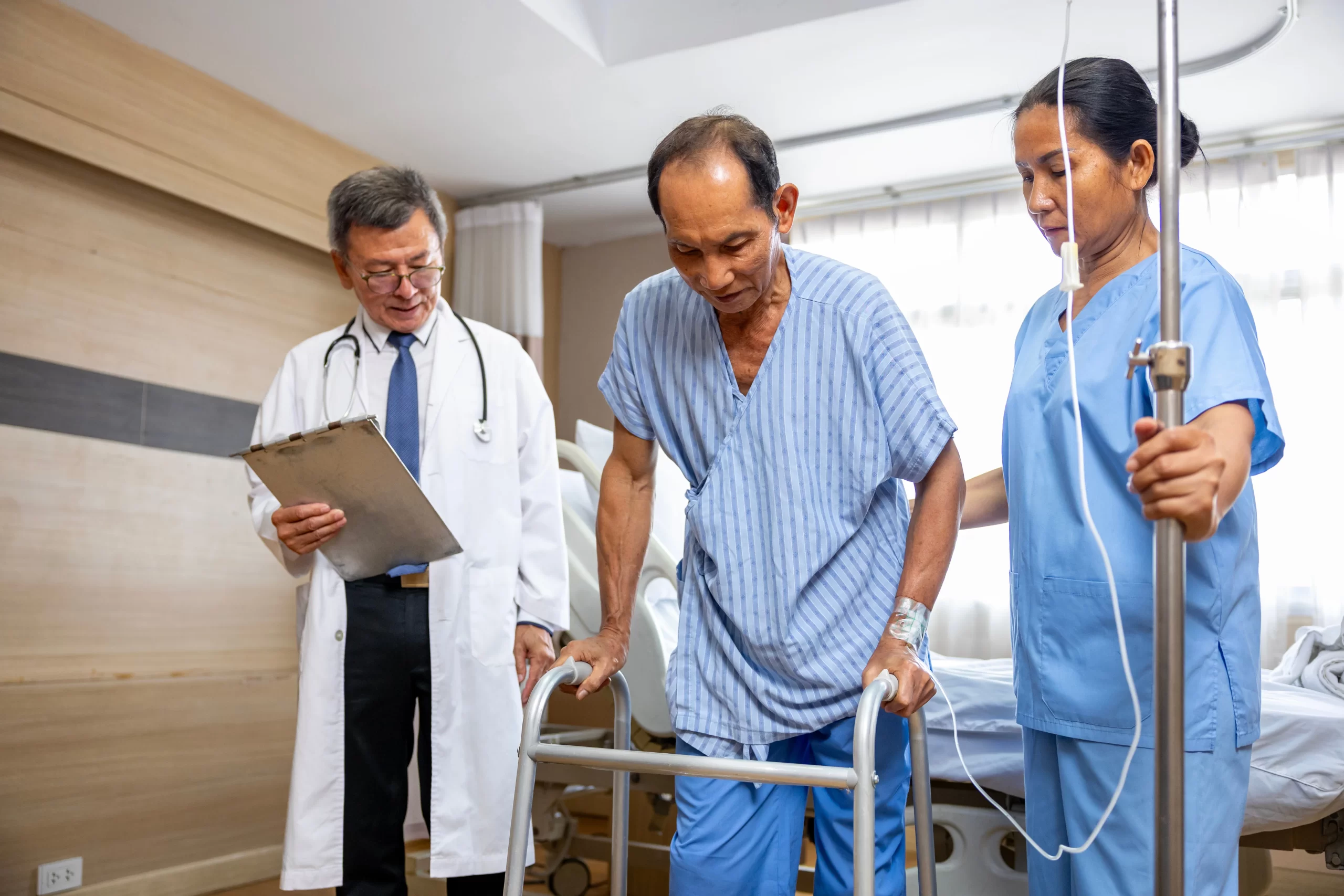
The first few days and weeks after hospital discharge are often the most challenging for stroke survivors. Weakness, balance problems, and speech difficulties increase the risk of falls and complications. Many families find it difficult to manage care alone during this phase.
This is where post-stroke recovery support at home becomes essential. Professional caregivers help with mobility, medication reminders, and daily routines while monitoring warning signs.
Ongoing Support for Stroke Survivors
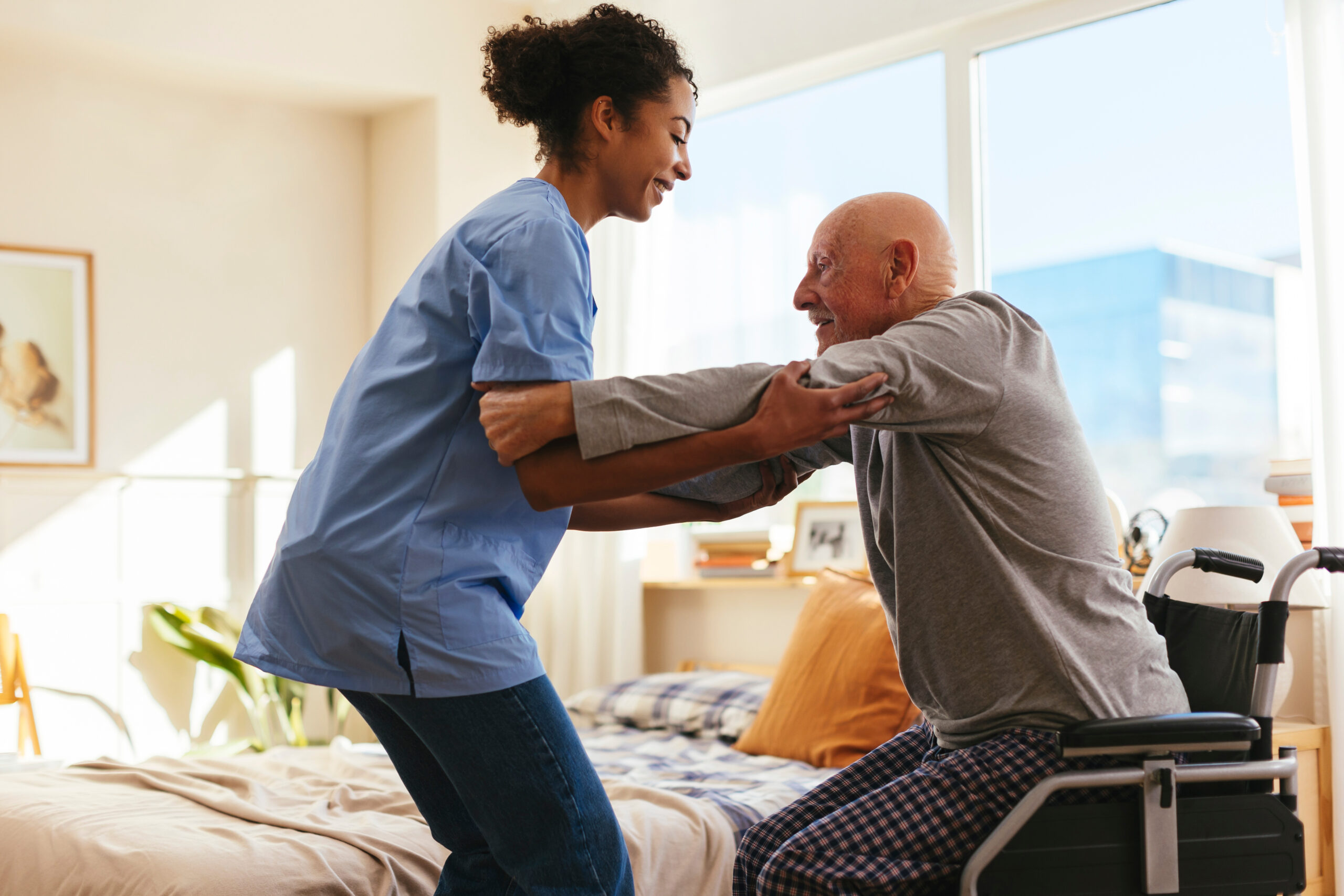
Some stroke survivors need continuous assistance, especially seniors or those with severe mobility issues. In such cases, 24-hour care ensures constant supervision, safety, and health awareness, reducing the risk of emergencies at home.
Others may require help with bathing, dressing, toileting, and eating. This level of assistance is known as personal care, which supports dignity and comfort while promoting independence during recovery.
Preventing Future Strokes
Preventing a second stroke is just as important as treating the first one. Doctors often recommend:
- Managing blood pressure and cholesterol
- Eating a healthy diet rich in fruits and vegetables
- Getting regular physical activity
- Quitting smoking and limiting alcohol
- Attending routine medical checkups
Making these changes reduces the chances of another brain stroke and boosts long-term health.
A stroke is a life-changing event, but early action, proper treatment, and structured recovery support can make a significant difference. Understanding the warning signs, knowing what causes a stroke, and planning recovery in advance helps families protect their loved ones.
With the right medical care, rehabilitation, and at-home support, many stroke survivors regain independence and quality of life over time.